What we do
We trace what happens between the world and the body.
The world doesn't enter the body directly. It passes through systems.
Policies shape environments. Environments shape exposure. Exposure meets biology. Biology produces effects: in health, behaviour, perception, attention, capacity and agency.
We trace that chain.
For now, the practice goes through one lens: food. Food is the system that enters the body directly, several times a day. It is where the chain becomes personal, and where its consequences become biological.
What are we designing around biological beings?
What happens when the environment shapes the conditions of choice?
What becomes possible when a system can be perceived rather than simply explained?
A few of the questions we're following
Open questionsThe Consumer Who Is Not the Same Consumer Tomorrow
Could repeated exposure to a food environment change the biological conditions of the next choice a person makes, not just what they choose, but what they're capable of choosing?
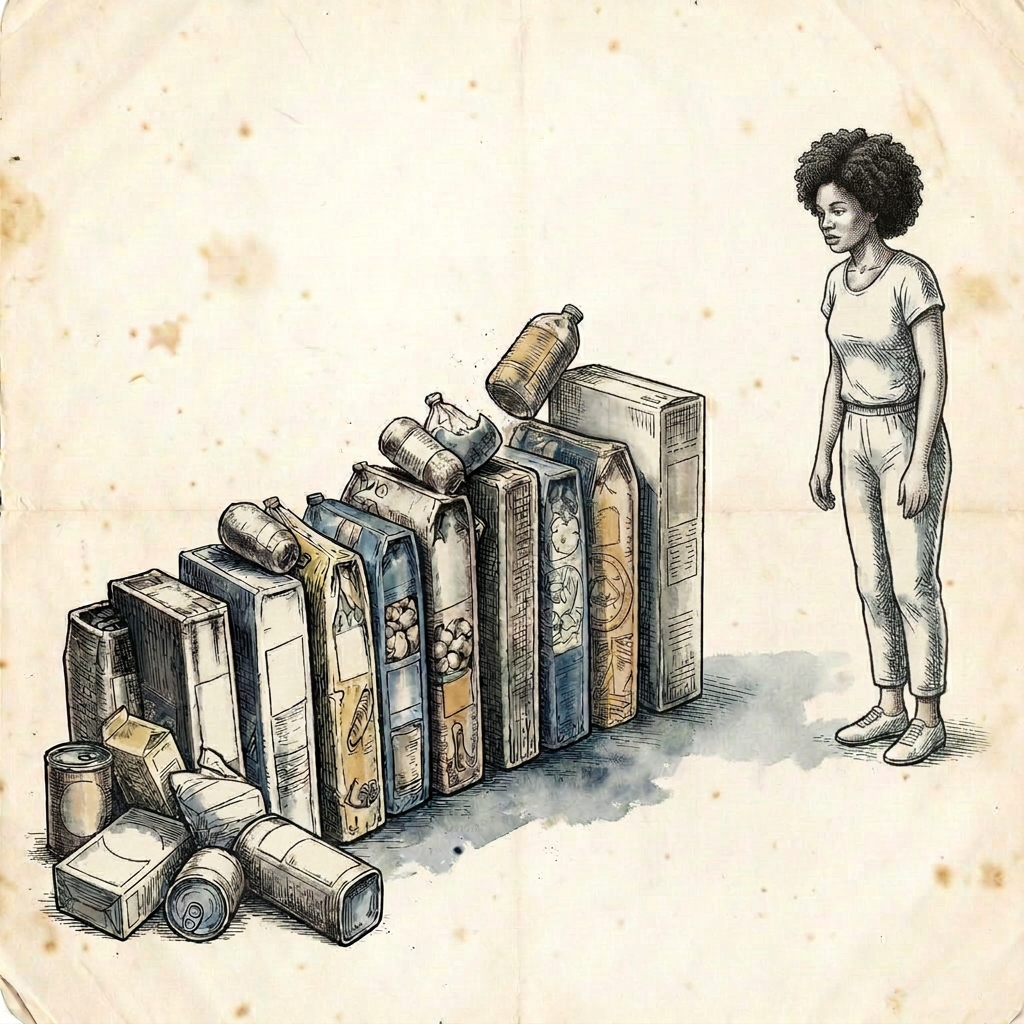
What Happens to a Child, Years Before Anyone Notices
Long before hunger or obesity becomes visible, could a food environment already be shaping a child's attention, mood, and capacity to learn and self-regulate? What would it mean to look for that earlier?

The Woman the Food Industry Invented
What role did advertising and food products play in constructing ideas of femininity, independence and motherhood, from the industrialisation of infant feeding to the guilt built into "convenience," and whose interests did that construction serve?

What Attention Actually Costs
Organisations treat attention and focus as a matter of discipline or tools, better habits, fewer distractions. What if attention is significantly shaped by biology: by food, sleep, and the environment a workplace itself creates?
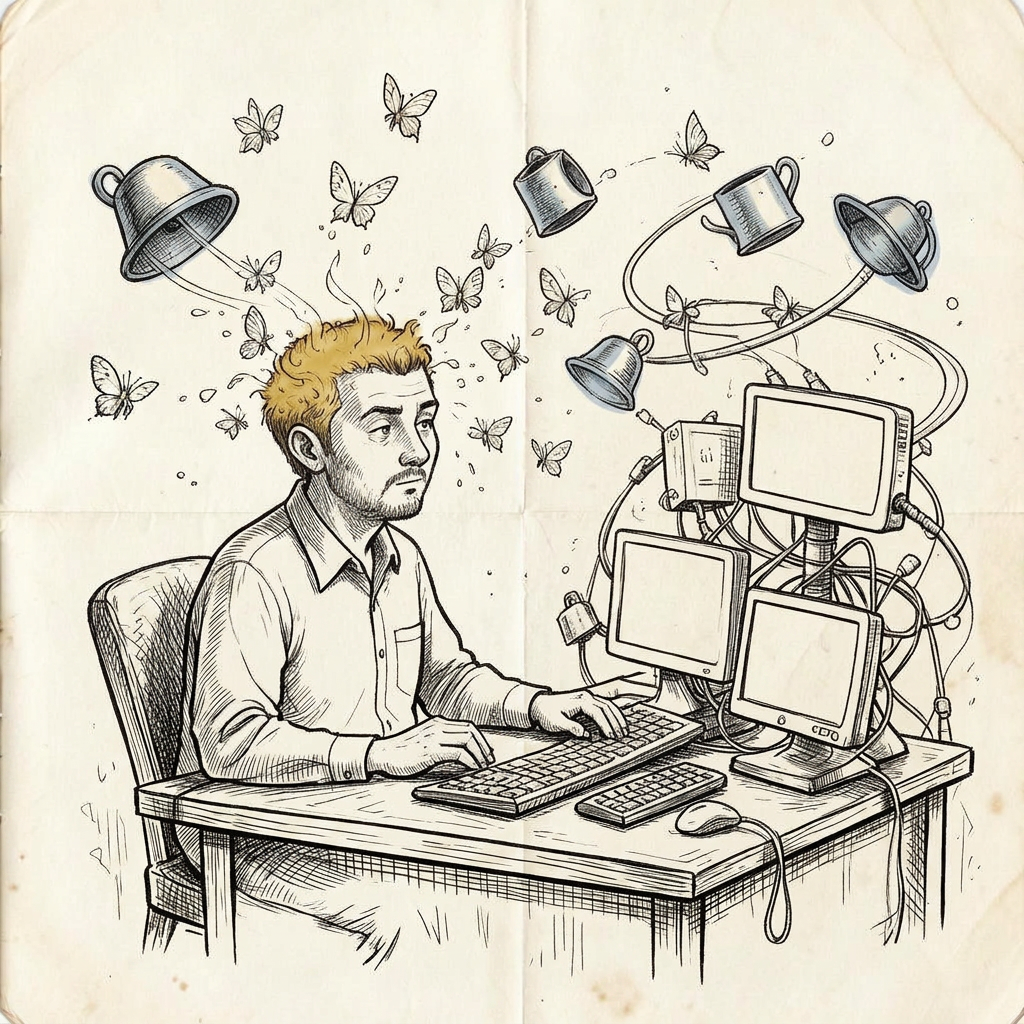
Featured: The Same Exploit, a Different System
Why "Body Security"?
We've learned to think of digital platforms as systems built to hold attention, through reward, novelty, and feedback loops refined over years of optimization. Could food environments be arriving at a similar place, shaped around the same basic biological responses: taste, satiety, reward?
Not because anyone set out to cause harm, but because a system optimizing for one thing, engagement, sales, doesn't get asked to account for what it costs the person on the other end.
We know how to secure digital infrastructure. What would it mean to apply the same systemic attention to biological infrastructure?
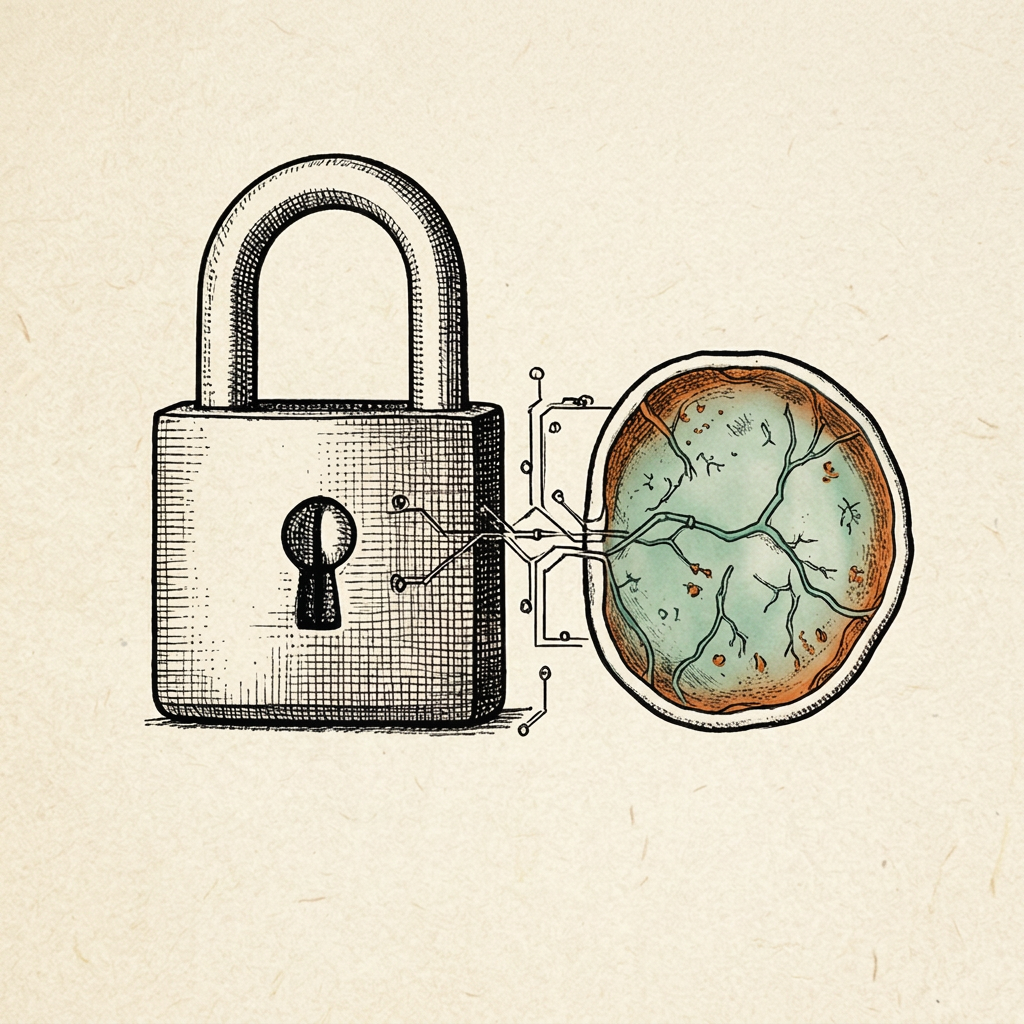
Can a system be healthy if the bodies inside it aren't?
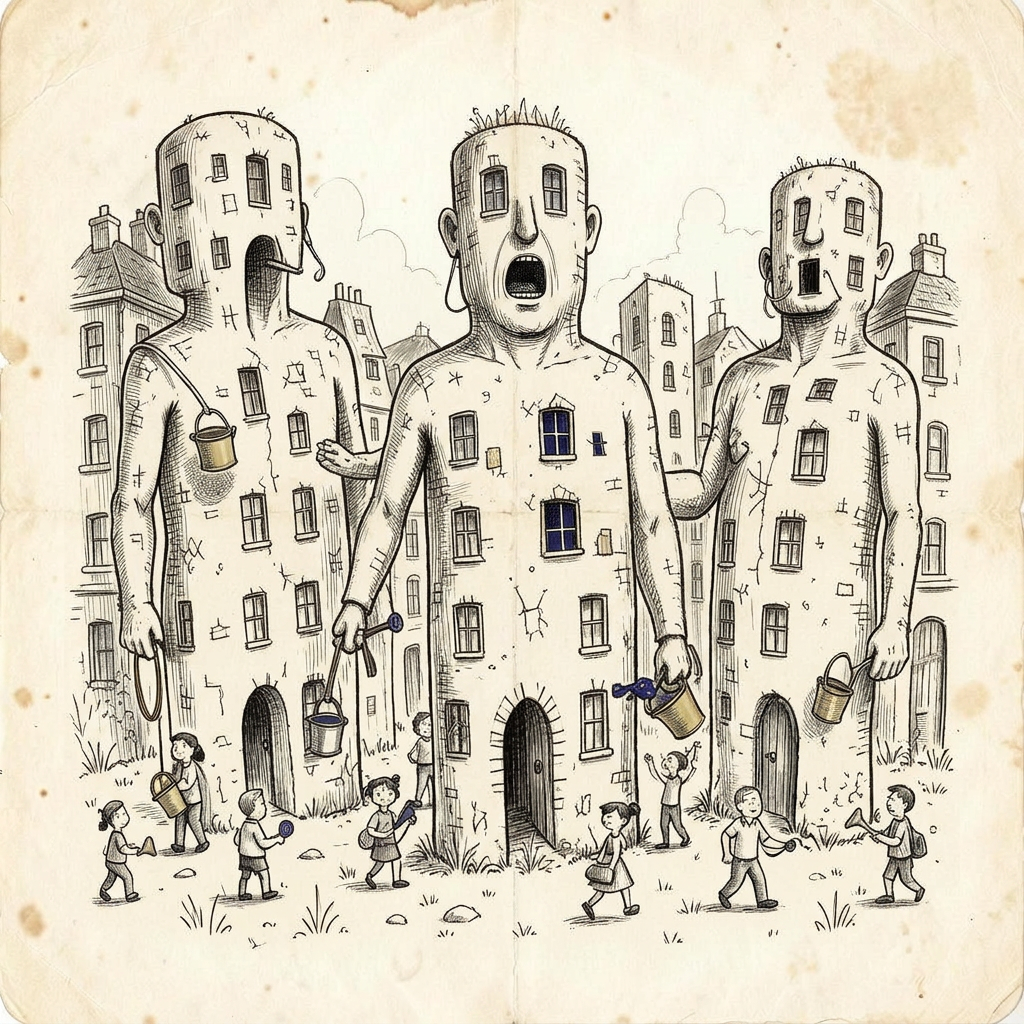
Can a supply chain be experienced as a body?
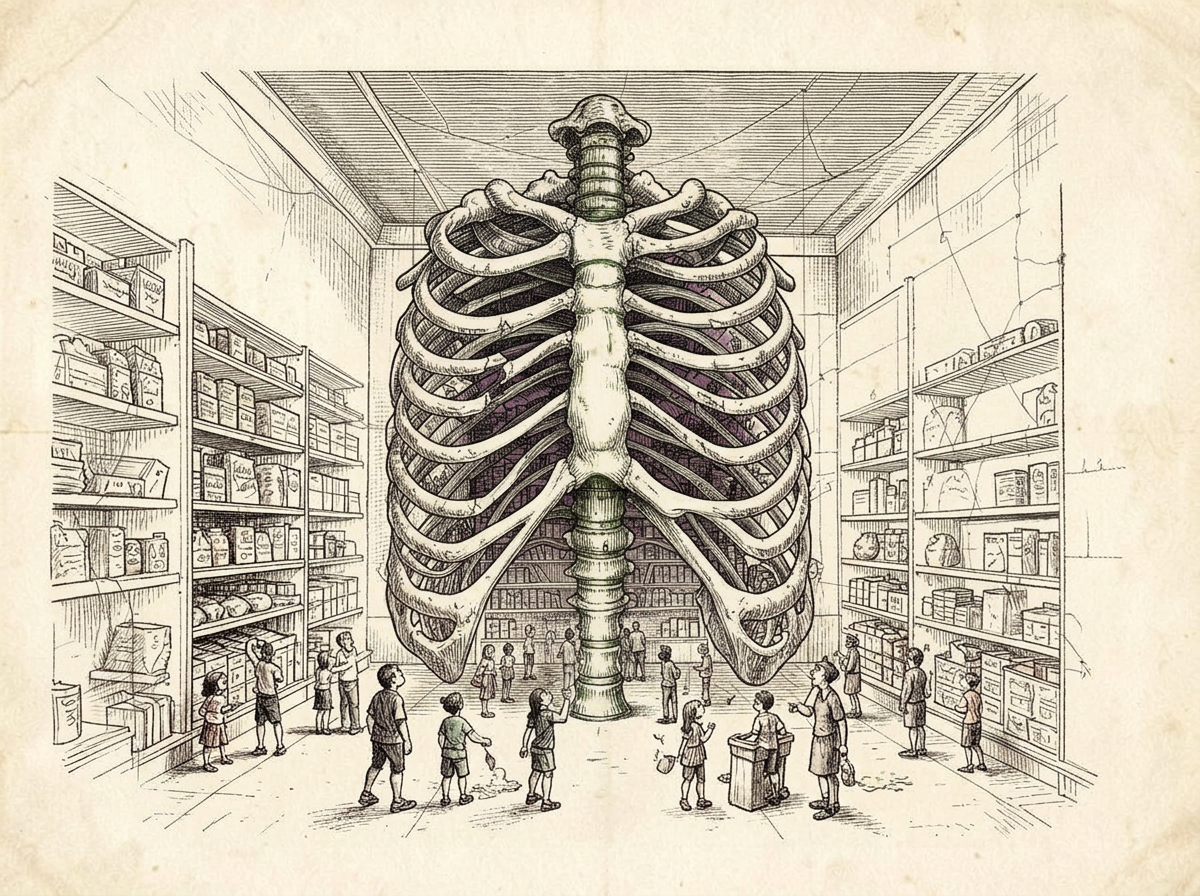
What would policy feel like if you encountered it through a meal?
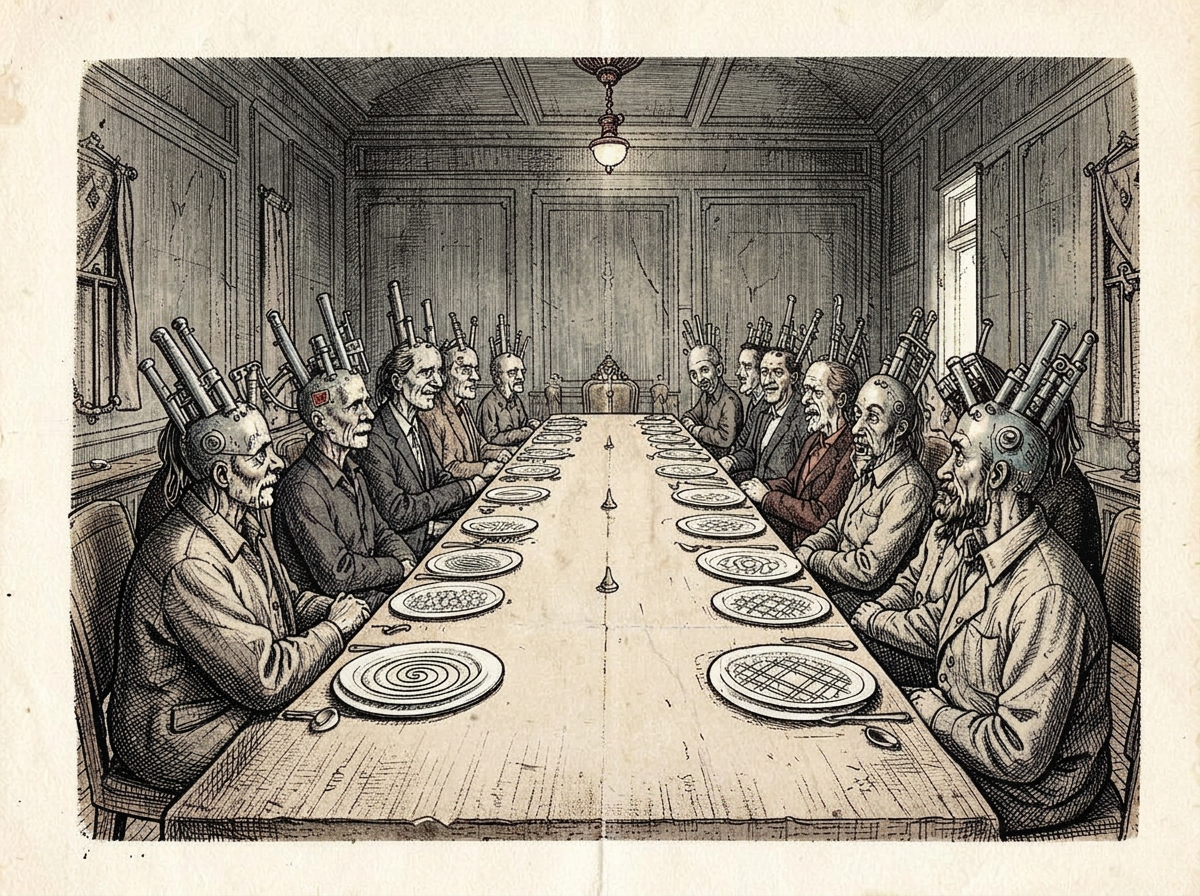
Some questions need to be investigated. Some need to be experienced. Some need both.
Have a question? Bring it.
Start a conversation →